A new era may be starting in economic policy – the promise of predictable operation
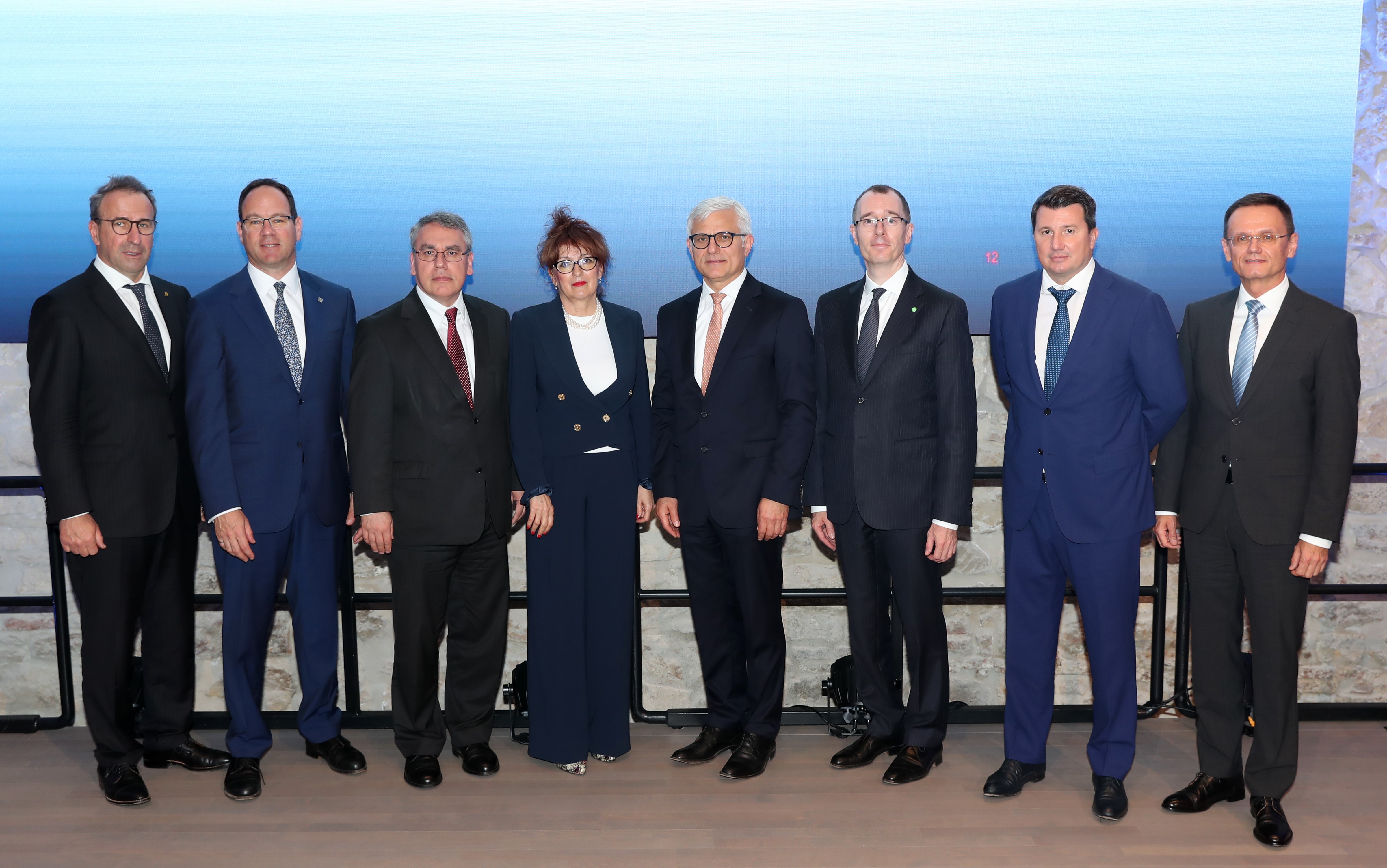
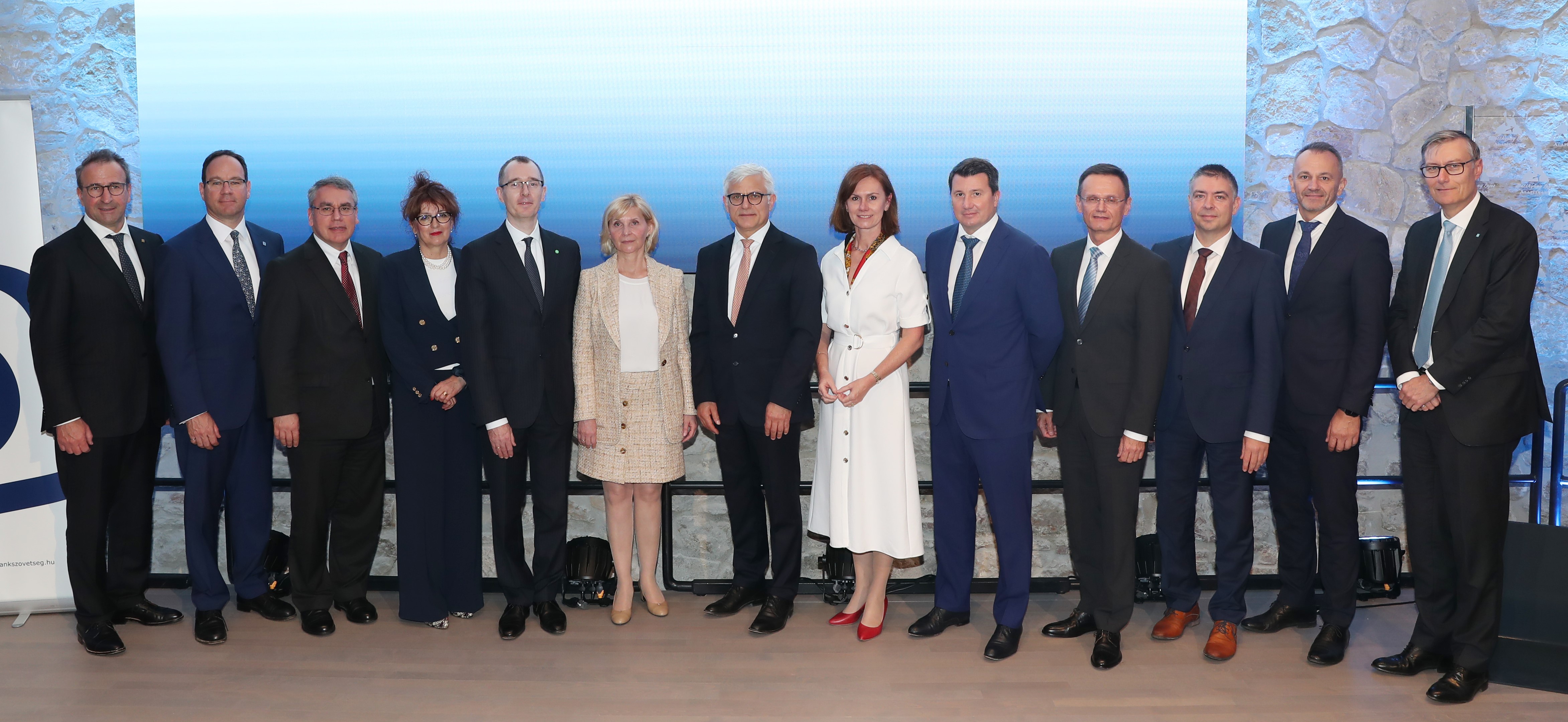
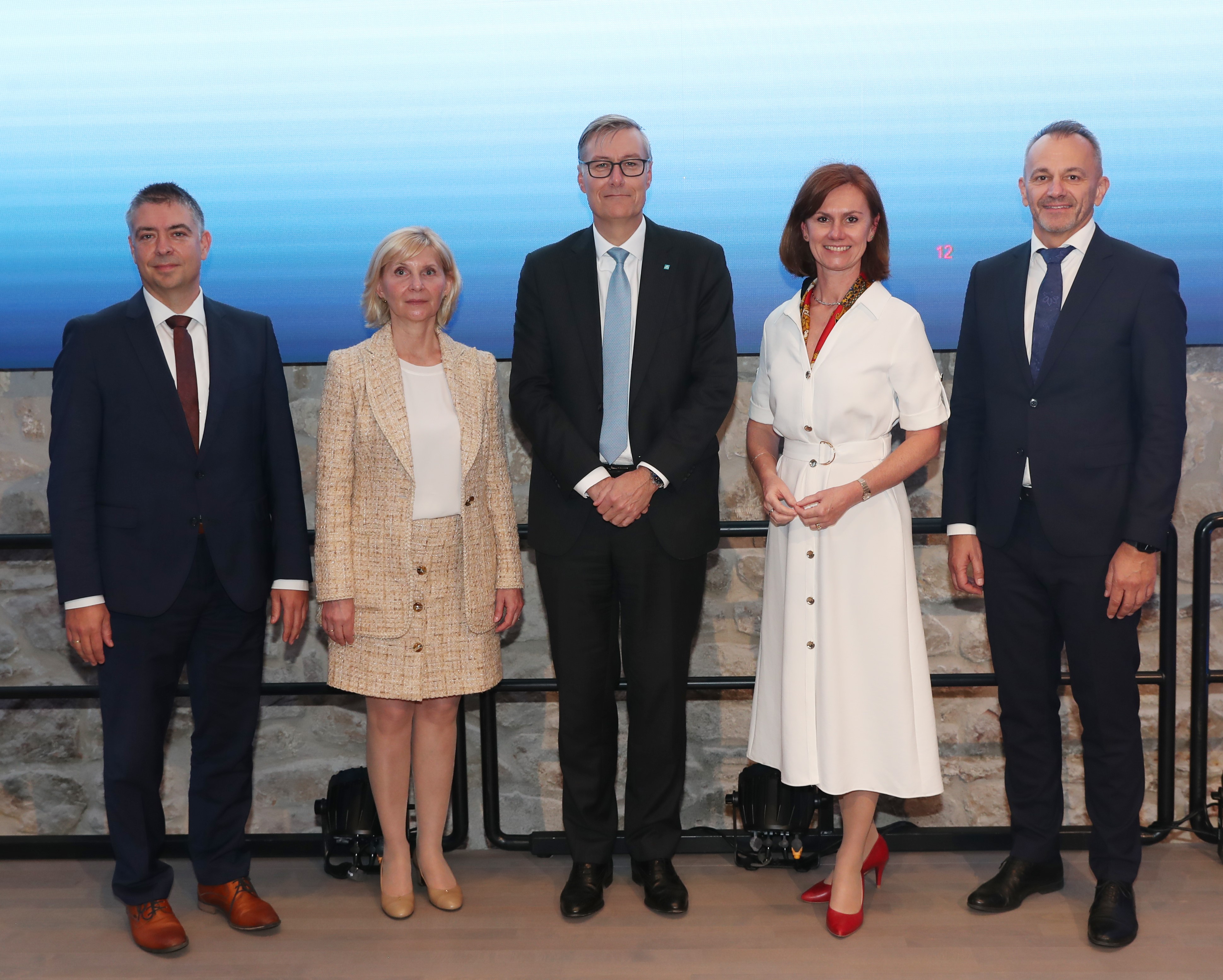
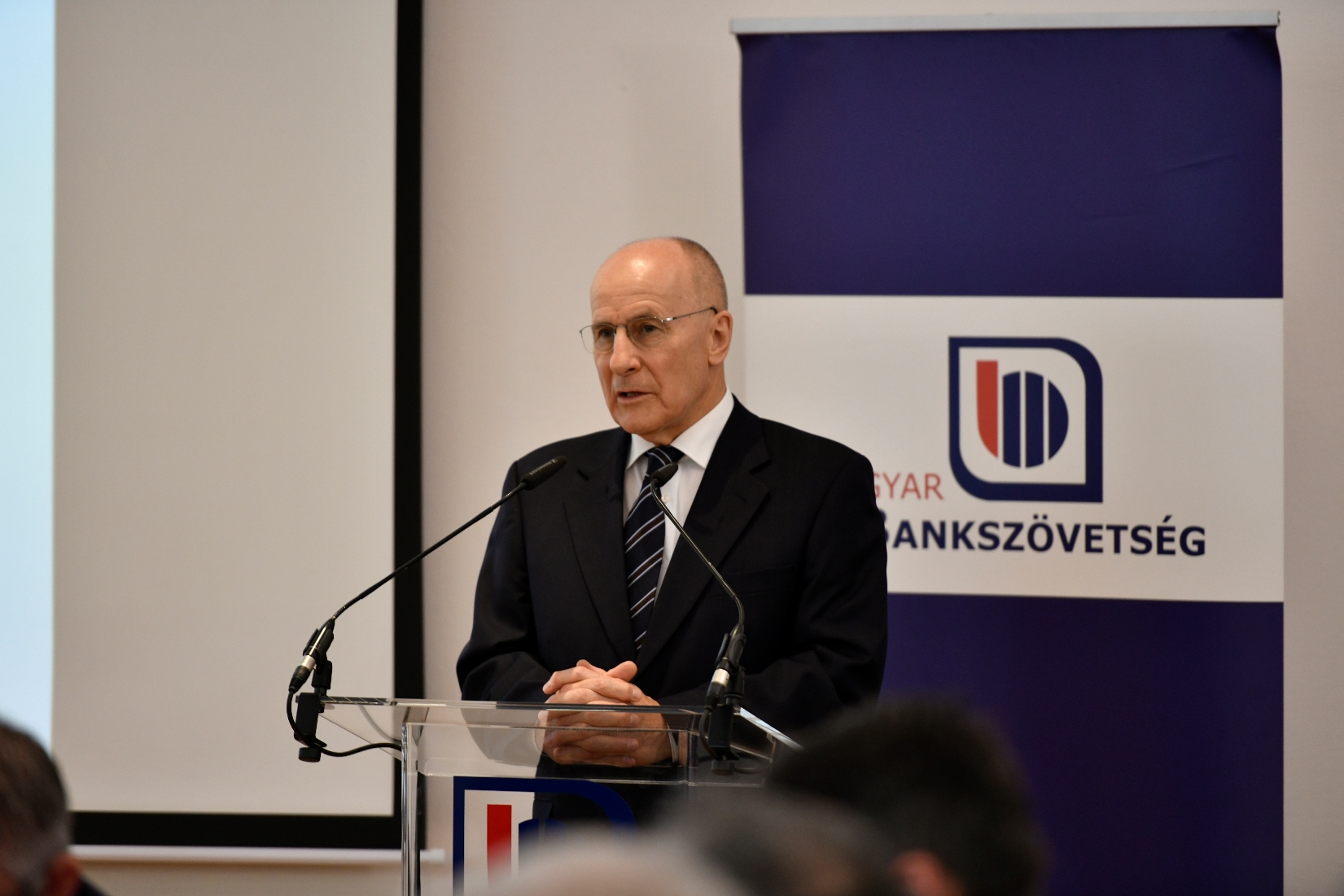
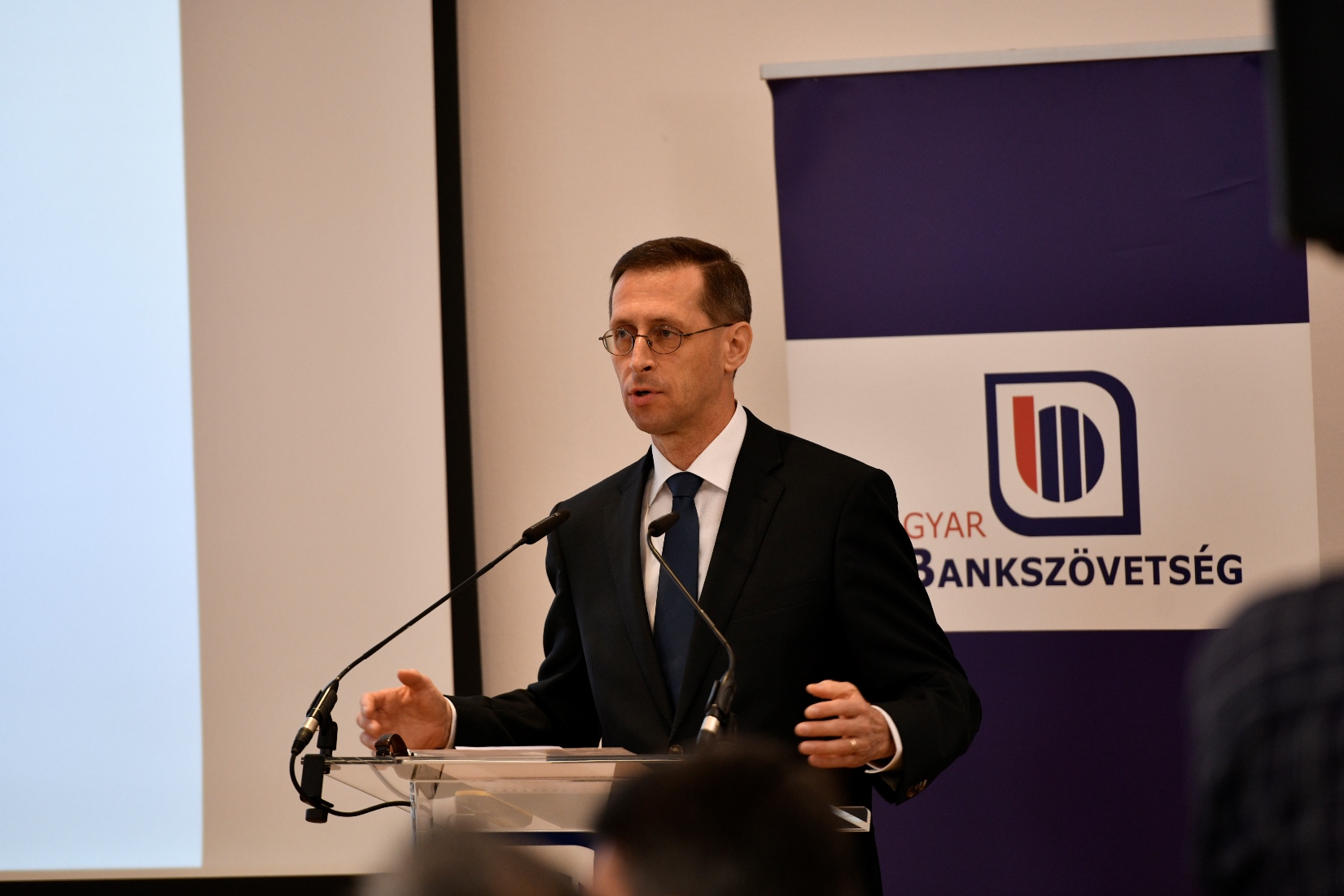
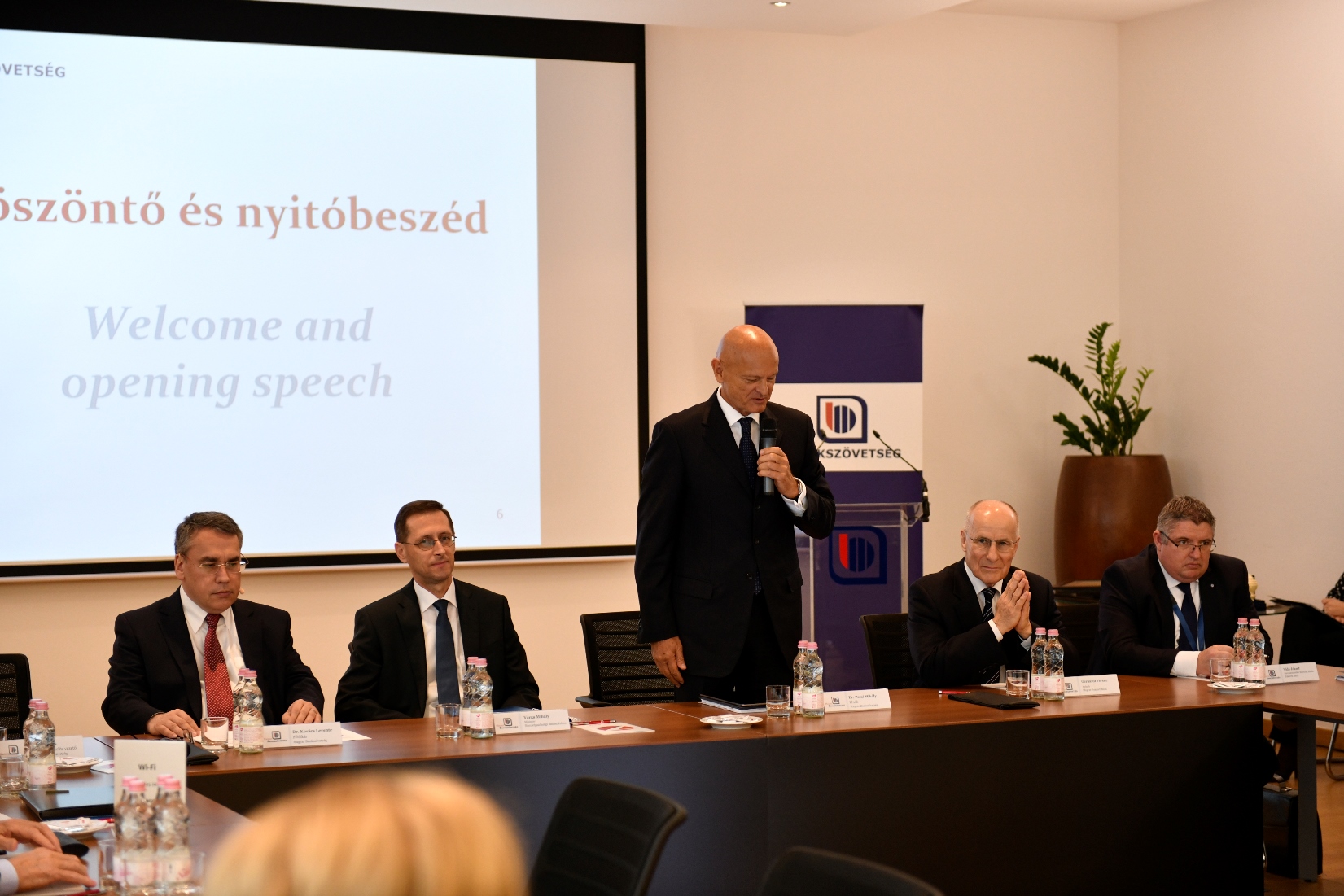
The Hungarian Banking Association held its annual General Meeting earlier today, at which Mihály Varga, Governor of the Central Bank (National Bank of Hungary) and András Kármán, Minister of Finance, both delivered speeches. At the event, President Radován Jelasity delivered his report, informing participants about the organisation’s activities and responsibilities. At the General Meeting, the Hungarian Banking Association held a general election of officials, electing a new Board, Supervisory Board and Chair for the Ethics Committee.
At the General Meeting, Members voted for issuing the following statement.
The parliamentary elections have ushered in a new era, bringing a distinctive 16-year period to a close. It often happens at the end of long cycles fraught with extraordinary challenges that regulatory intervention swings too far in the opposite direction, similarly to a pendulum. This has been the case once again. For the economy to function in a sustainable and healthy manner, it is desirable for the pendulum to return to its central position; letting market forces to prevail; and for interventions to be proportionate and predictable.
The financial sector remains a partner in shaping a predictable economic environment that is independent of electoral cycles, and in preparing and executing feasible decisions. This can add to investor confidence, encourage investment and contribute to the sustainable growth of the economy, thus helping boost social well-being. A banking sector operating within a stable regulatory and market environment acts as the economy’s immune system, safeguarding growth and stability. If this is lacking, the reverse impact is felt almost instantly: legal uncertainty distorts market conditions, restricts lending and substantially weakens the banking sector’s role in safeguarding the economy. This is one of the reasons why we consider it of fundamental importance to be able to set a transparent, pre-set road map for phasing out the extraordinary taxes imposed on the financial sector. The banking tax, the windfall tax and the transaction levy temporarily helped maintain fiscal stability during difficult periods. However, their continued existence does more harm than good: it curbs lending, distorts market processes and undermines not only the sector’s competitiveness but also the functioning of the economy. At the same time, interest rate caps, mandatory ATM installation and similar measures directly interfere with market competition, undermine financial culture and erode confidence in the Hungarian economy. Moreover, the regulatory treatment of the banking sector serves as a litmus paper for the entire economy, as whatever happens in the financial sector today, be it a windfall tax or an interest rate cap, may well be reflected in the functioning of other sectors a few years down the line.
Strengthening European integration and the promise of adopting the Euro could inject new dynamism into the entire Hungarian economy, as the EU and neighbouring countries are our key natural partners in both economic and political terms. The introduction of the Euro is a strategic decision that could create a persistently lower and more predictable interest rate environment in Hungary.
The financial sector is calling on the new Government to ensure a level playing field and allow market forces to freely prevail. Pure market competition yields the most sustainable results for stakeholders present in the financial and economic sectors: this reflects innovation and efficiency. Equal competitive conditions yield the best quality and the most favourable prices for customers.
The prevalence of market forces, alongside various forms of support, can also promote a more efficient allocation of resources, reduce budgetary pressures and, in the long term, support a more balanced, organic path of economic development. Government loan schemes can only be regarded effective if they complement market-based funding options, are aligned with their way of operation, and their scale does not cause any significant distortion of market demand and supply. Support programmes aligned with electoral cycles may also trigger economic impacts that work against their intended objectives. By contrast, a more targeted and predictable support/subsidy strategy creates a more stable and predictable economic environment for customers, investors and financial institutions alike. Experience from our region, as seen in Slovakia, Slovenia and Croatia, shows that, upon joining the monetary union, lending rates gradually converge towards the Eurozone average, whilst exchange rate and inflation volatility subside. This, in turn, indirectly improves the affordability of housing, without the need for significant budgetary intervention. In the meantime, it is justified to maintain a targeted housing subsidy scheme. As for SME lending, it is advisable to set the most optimal ratio for the economy between market-based and subsidised loan schemes based on professional consensus.
A competitive economy rests on modern, digital financial infrastructure and a predictable legal environment. When it comes to digital banking, it makes sense to build on the EU’s best practices: to simplify the sharing of data accessible in public databases; as regulation that is both secure and flexible, along with the development of digital customer journeys all improve customer experience and boost competition. The banking sector, just as in the past, will continue to be a partner in shaping an ideal and easy-to-apply regulatory environment.
The banking sector is ready to play an active role in this new phase of economic growth. One prerequisite for this is that the economic policy ‘pendulum’ should remain close to a balanced mid-point in the long run, creating an economic policy environment that is predictable, competition-neutral and rests on natural market mechanisms. We trust that the new Government will support the establishment of such a regulatory environment, which serves both sustainable economic growth and financial stability. We also wish to take this opportunity to congratulate the new Government on its formation, and wish them every success in achieving our common economic goals.
At the General Meeting, awards and honours were also presented, reflecting the results achieved in the past year.
The Golden Beehive Award was presented to:
- Zénó Amtmann – OTP Bank
- Anita Deák – National Deposit Insurance Fund
- Marianna Drevenka – UniCredit Bank
- Dávid Hollósi – MBH Bank
- Zsuzsanna Koszta – OTP Bank
- Gábor Liener – Raiffeisen Bank
- Máté Neményi – KDB Bank
The Golden Beehive Commemorative Plaque was presented to:
- Judit Baracs – SWIFT
In addition, 18 individuals were invited to take up positions as Chairs of the Hungarian Banking Association’s Working Groups, upon the presentation of their Letters of Appointment.
As part of the general election of officers, Members of the Hungarian Banking Association elected the following governing bodies for the next three years:
Board: Radován Jelasity (President), András Becsei (Vice President); Zsolt Barna, Krisztina Bogdán, János Gerendás, Éva Hegedüs, Balázs Tóth;
Supervisory Board: Peter Roebben (Chair), Ágnes Erdős (Deputy Chair), Tamás Fischer, Balázs Szabó, András Szepesi;
Ethics Committee: László Balogh (Chair).
Budapest, 13 July 2026 Hungarian Banking Association